Online predators are individuals who commit child sexual abuse that begins or takes place on the Internet .
The world wide web is a wonderland of information and entertainment. And it’s great for kids when used mindfully and with adult supervision.But it can also be an unsafe environment for kids to navigate on their own, including from online predators who are savvy in preying on children.

strategy of an online predator
- Only 5 % of online pretend they are kids. Most reveal that they’re older — which is especially appealing to 12-to-15-year.this age grp kids are mostly targeted
- Some predators initiate genuine talk and request explicit pictures immediately and back off if refused. They’re in it for an immediate result.
- In the other hand, some predators engage with the same work in a different way which is the process of picking a potential victim for “grooming”.grooming is nothing but the action by a paedophile of preparing a child for a meeting, especially via an Internet chat room, with the intention of committing a sexual offence. They’ll look at social media posts and public chats to learn about the kid first.
- Once they’ve selected someone, they may begin the grooming phase, which often involves friending the target’s contacts, engaging in increasingly personal conversations to build trust, taking the conversation to other platforms (like instant messaging), requesting pictures, and finally requesting offline contact.
- Sometimes if a kid shares one picture, a predator will engage in sextortion which involves demanding more pictures or contact under threat of exposure or harm.
what do an online predator do?

- Find kids who are emotionally vulnerable.
- Seduce with attention, affectionate language, kindness and gifts.
- Use music and hobbies of interest to kids.
- Listen and sympathize.
- Gradually introduce sexual content into online interactions, including sexually explicit photos and content.
- If the victim tries to cut off communication, predators scare the victim into continuing the relationship
- may impersonate other youths
- main motive of most of the online predators is grooming.
what can parents for the safety of their kids?
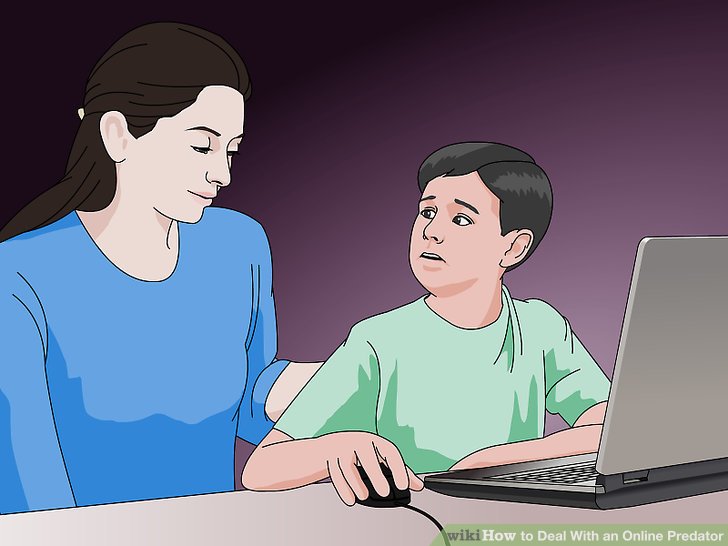
- Keep the Internet-connected computer in a common area of the house, not in kids’ rooms and try to sit with kids when online.
- Keep kids’ email accounts accessible, requiring young kids to use a family email account, and requiring older kids to give you their password.
- Talk to kids and teens about online and offline predators and dangers.
- Use family safety settings.
- Follow age limits on social networking sites and monitor public settings.
- Additionally, creating and posting a family online agreement outlining conditions for online activity will remind kids of safe usage practices and dangers.
what can kids do to protect themselves?
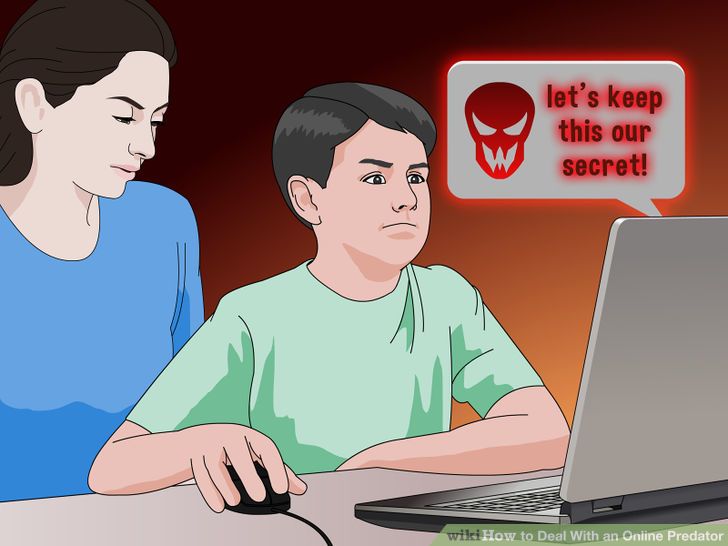
- Kids can do a variety of things to protect themselves online:
- Be very careful with downloads and never download anything from unknown sources.
- Tell an adult immediately if something happens online that scares or confuses them.
- Be careful with screen names: don’t use gender-specific names,don’t reveal personal information in screen names or profiles. This can put children at risk of not only predators but also it may lead to identity theft
- Immediately stop all communications that become offensive or threatening and tell an adult.
- Never reveal any personal identifying information, including full name, birth date, home address, home or cell phone number, name of school, hometown information, etc.
- Use email filters to keep out communications from questionable sources.
- Honor the family online agreement.

Most online activity is harmless or even positive for young people. But adults who want to exploit them can use the Internet to try to locate and “groom” potential victims. You can minimize the risk of a young person meeting an online predator. Online predators are a threat that should not be ignored. Your children should feel comfortable coming to you with any questions or concerns, so keep communication open and honest. With the proper precautions, your teen can have a positive online and social media experience.
THE PRESENT SOCIETY IS TOTALLY INSECURE…KINDLY BE SAFE .
ONLINE PREDATORS AND GROOMING ARE SOME GROWING CONCERN IN THIS CONTEMPORARY SOCIETY!!BOTH THE ONLINE AND OFFLINE WORLD ARE EQUALLY CRUEL!!SO U GUYS PLS DONT SHARE ANY OF UR PERSONAL INFORMATION WITH AN STRANGER IN BOTH ONLINE AND OFFLINE WORLD.
 GG's blog